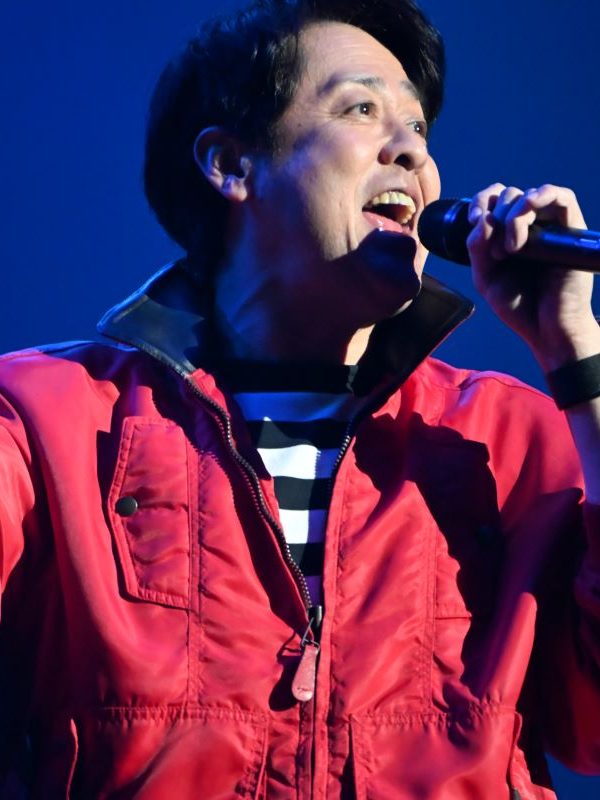
Super Sentai Spirits, the annual concert that brings together the singers behind the Super Sentai theme songs, celebrated its 20th edition with two nights at Zepp DiverCity in Tokyo on November 7 and 8. The two shows added up to 61 songs, 30 on the first night and 31 on the second, with Shocker Ohno as master of ceremonies. Yukio Yamagata, who was on the bill for the first night, withdrew for health reasons, and on November 16 his family announced that he had died at 69.
This year's edition is billed as Super Sentai Spirits XX 2026 ~FOREVER~, with dates in Tokyo and Osaka, as the banner hanging at the back of the stage spells out. The first night featured Hironobu Kageyama, Daisuke Shima, Kenta Sato, Kenji Suzuki, Kentaro Hayami, Hideaki Takatori, Masaaki Endoh, Takafumi Iwasaki, Sister MAYO, Takayoshi Tanimoto, Tsuyoshi Matsubara and Tomohiro Hatano. The second belonged to Isao Sasaki, Mitsuko Horie, Akira Kushida, MoJo, Takayuki Miyauchi, NewJack Takuro, Naritaka Takayama, Daiki Ise, Yohei Onishi, Tatsuhiko Yoshida, Hitomi Yoshida and the band Wienners. On that second night, Sasaki revealed he had been hospitalized over the summer, and Ohno welcomed a group of about 20 Brazilians in the crowd and announced the dates for Super Robot Spirits 2027.
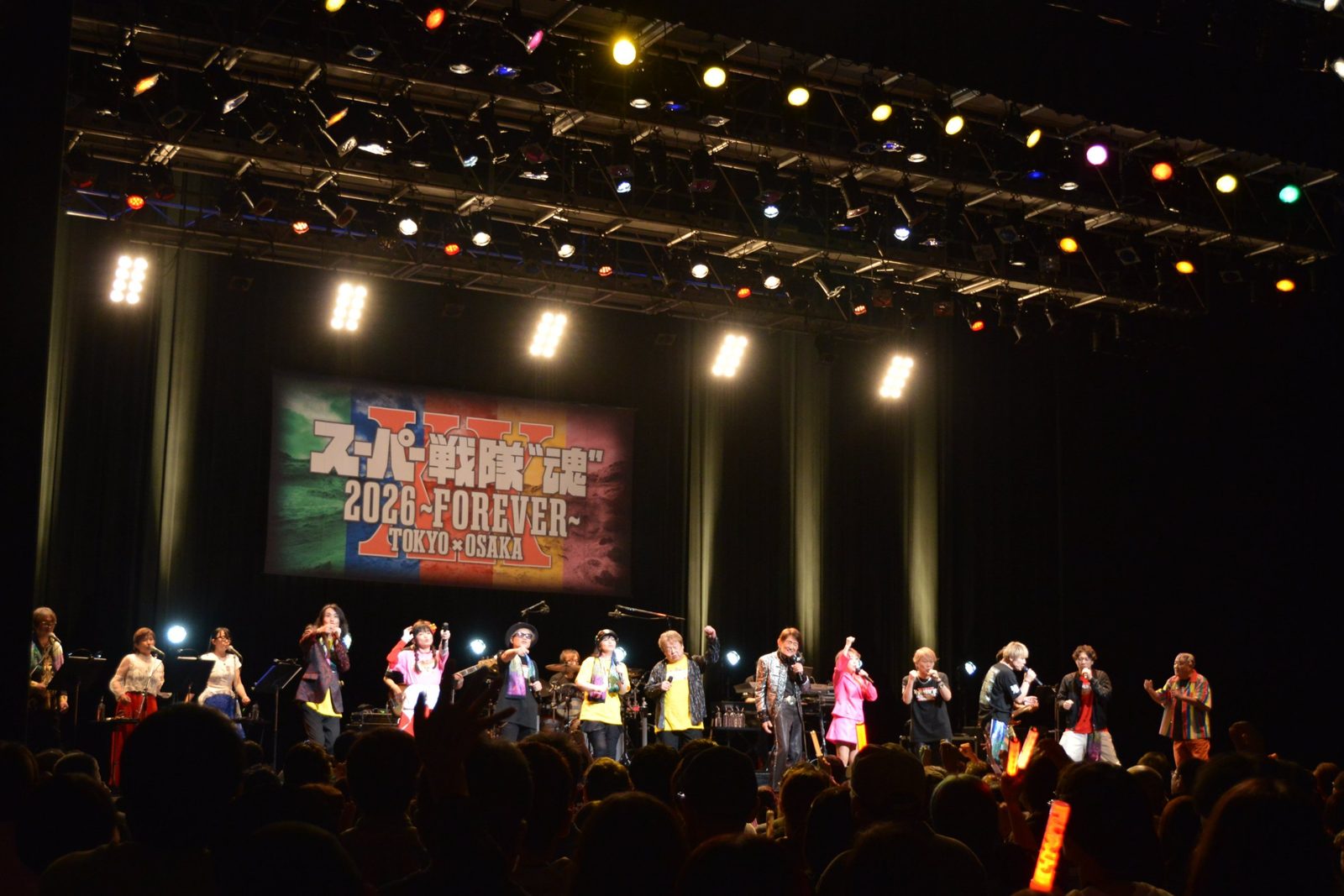
Forever
Shocker Ohno opened the evening with a short history of the event, first held in 2004. As he tells it, the idea took shape when Isao Sasaki, the voice of the Himitsu Sentai Gorenger theme in 1975, returned decades later to sing a main theme for the franchise. Some people doubted that a full concert of Super Sentai songs could work, Ohno said, but he had argued from the start that it should become a regular fixture.
The early editions came at long intervals. Around the time of Kaizoku Sentai Gokaiger, the 2011 series that marked the franchise's 35th anniversary, the organizers decided it would be a waste to let a year go by without a show, and Super Sentai Spirits has been held every year since. Ohno talked about what goes on behind the scenes of the Spirits concerts in an interview with Kyoudai Express published in September.
He used the same segment to explain the title. FOREVER, he said, speaks to the Super Sentai legacy carrying on, and a farewell show would have been called Final. He summed it up in one line: "Super Sentai is forever." The remark came at a time of change for the franchise and underlined the idea that its songs and characters live on in the fans' memories.
Ohranger
Kageyama opened the setlist with the Changeman theme, and the first set worked its way through Gokaiger, Gekiranger, Magiranger, Kyuranger and Ryusoulger before reaching Kentaro Hayami, the voice of Chouriki Sentai Ohranger (1995). At the 2025 edition, which marked the series' 30th anniversary, Hayami had come out in a costume covered in sparkling appliqués. This time, he said, he had gone for something more understated, which drew laughter from the crowd.
Hayami sang "Ole! Ohranger" and "Kinkyuu Hasshin!! Ohranger" and thanked the audience for turning out year after year. The fans, he said, are the reason Super Sentai Spirits keeps going.
Fiveman
Before "Fiveman, Ai no Theme," Kenji Suzuki, who sang the theme of Chikyuu Sentai Fiveman (1990), told a story from about 43 years ago, when he was starting out as half of a folk duo. On a visit to the shop his mother ran in Tsu, in Mie Prefecture, he ran into the comedian Yasushi Yokoyama, who had heard the duo on the radio.
According to Suzuki, Yokoyama began quizzing them about the way they talked and carried themselves, and wanted to know which of them told the jokes and which one played the straight man. He had taken them for a manzai act, the Japanese stand-up comedy performed in pairs. The room laughed, and Ohno remarked that Suzuki was still telling the audience his stories all these years later.
Yukio Yamagata
When the show resumed after the intermission, Ohno told the audience that Yukio Yamagata, scheduled for the opening night, would not be performing for health reasons. He asked for the crowd's understanding, said that the unexpected is bound to happen over the life of such a long-running event, and repeated his commitment to keeping Super Sentai Spirits going. No public announcement had been made at that point about the singer's death.
On November 16, the production company Birthday Song released a statement from the family saying that Yamagata had died of an illness at 69. According to the family, he had been looking forward to performing at Super Sentai Spirits and was still discussing future engagements with the organizers shortly before his death. Yamagata recorded "Gaoranger Hoero!!", the opening theme of Hyakujuu Sentai Gaoranger (2001).
Kakuranger
Hideaki Takatori, the voice of the Ninpuu Sentai Hurricaneger and Doubutsu Sentai Zyuohger themes, brought Kageyama out to sing "Secret Kakuranger," the opening of Ninja Sentai Kakuranger (1994). The two joked about their friendship and the events and festivals they have shared, and Takatori said it was the first time they had performed the song together at Super Sentai Spirits. Billed as a special collaboration, the pair laughed at the idea of forming a ninja duo, one of the night's moments that brought together two voices tokusatsu fans know well.
Turboranger
Kenta Sato, who sang the theme of Kousoku Sentai Turboranger (1989), said he had seen a high school student sing the show's opening on an NHK singing contest. Sato posted about it on X and got a reply from the student, who identified himself as the contestant. The episode, he said, strengthened his resolve to keep singing these songs so many years after the original recordings.
Sato also talked about the quick costume changes between sets and admitted he had barely managed to get one of his sleeves off in time. He plans to keep up the tradition for as long as the fans enjoy it, he said. He also sang "Ashita ni Accel! Turbo Robo," which he described as a new challenge on stage, and came back near the end with the Kyoryu Sentai Zyuranger theme.
Liveman
Daisuke Shima sang the theme of Choujuu Sentai Liveman (1988), the series in which he also played Yusuke Amamiya, Red Falcon. Chatting with the other singers, he said the dressing-room conversation had changed over the years, and that at recent get-togethers it kept drifting to health, medication and looking after their bodies, which got a laugh from his colleagues.
Before the opening theme, Shima sang the ending, "Ashita ni Ikiru ze!" The Liveman theme came with the spoken introduction that precedes the song, about the former comrades who betrayed their ideals. It is one of the best-known songs of Shima's career and one of the Super Sentai openings Brazilian fans remember most.
Kokoro wa Tamago
Masaaki Endoh opened the second half with the Boonboomger theme and also sang "Chou Zenkai Gattai! Zenkaijuoh." Near the end, after Takatori sang the Zyuohger theme, Endoh returned with the theme of Bakuryuu Sentai Abaranger (2003). Kageyama, who had already sung the Hikari Sentai Maskman theme, closed the main set with Choujin Sentai Jetman. The backing band was Super Rescue BAND, with horns by BBZ and backing vocals by Apple Pie and SpaceKyn'z.
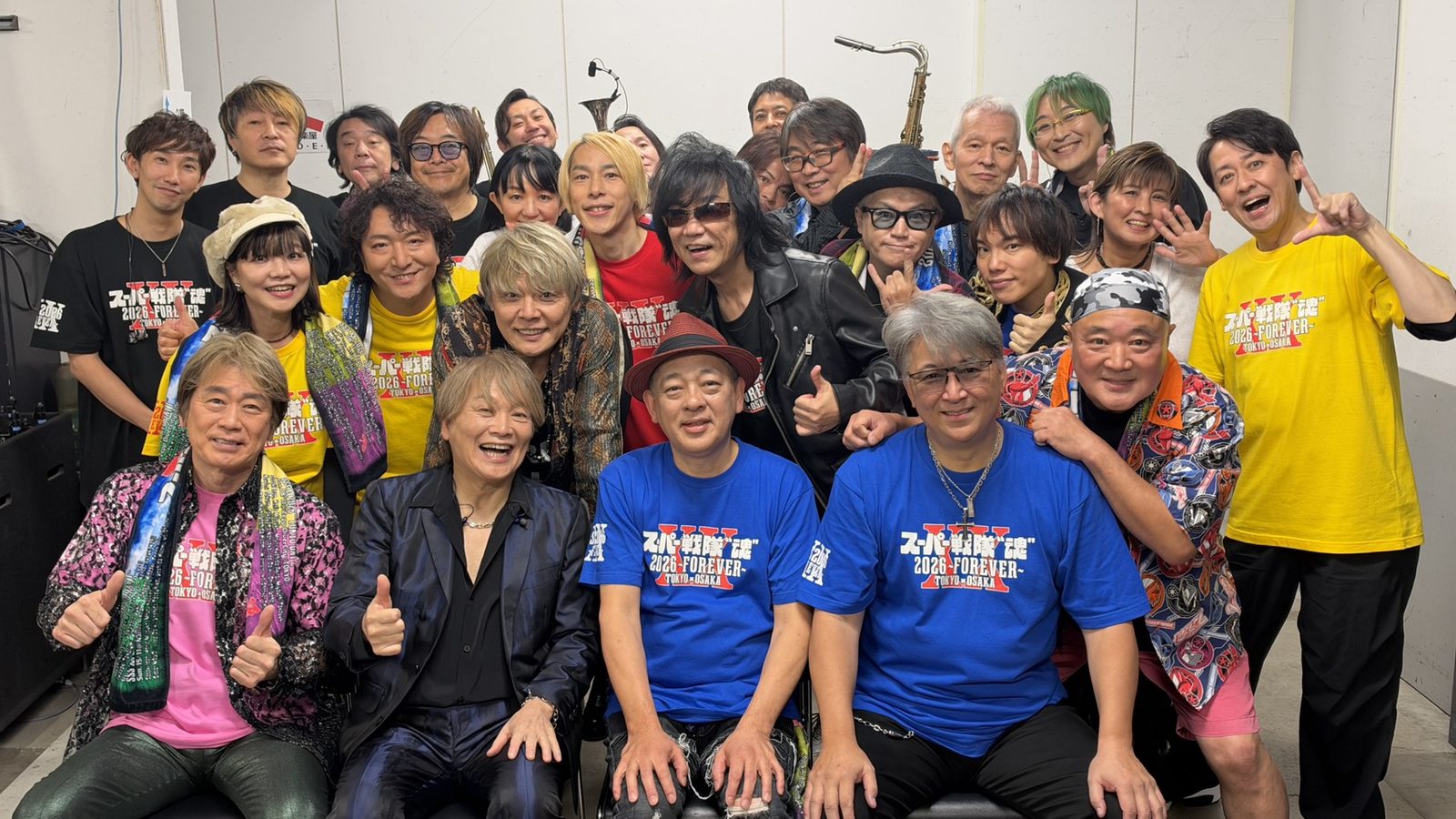
In his closing remarks, Takatori said he still felt a little uneasy in such a central role after so many years spent standing beside veterans like Isao Sasaki. Tsuyoshi Matsubara pointed to the stamina of the audience, which had spent nearly three hours singing along.
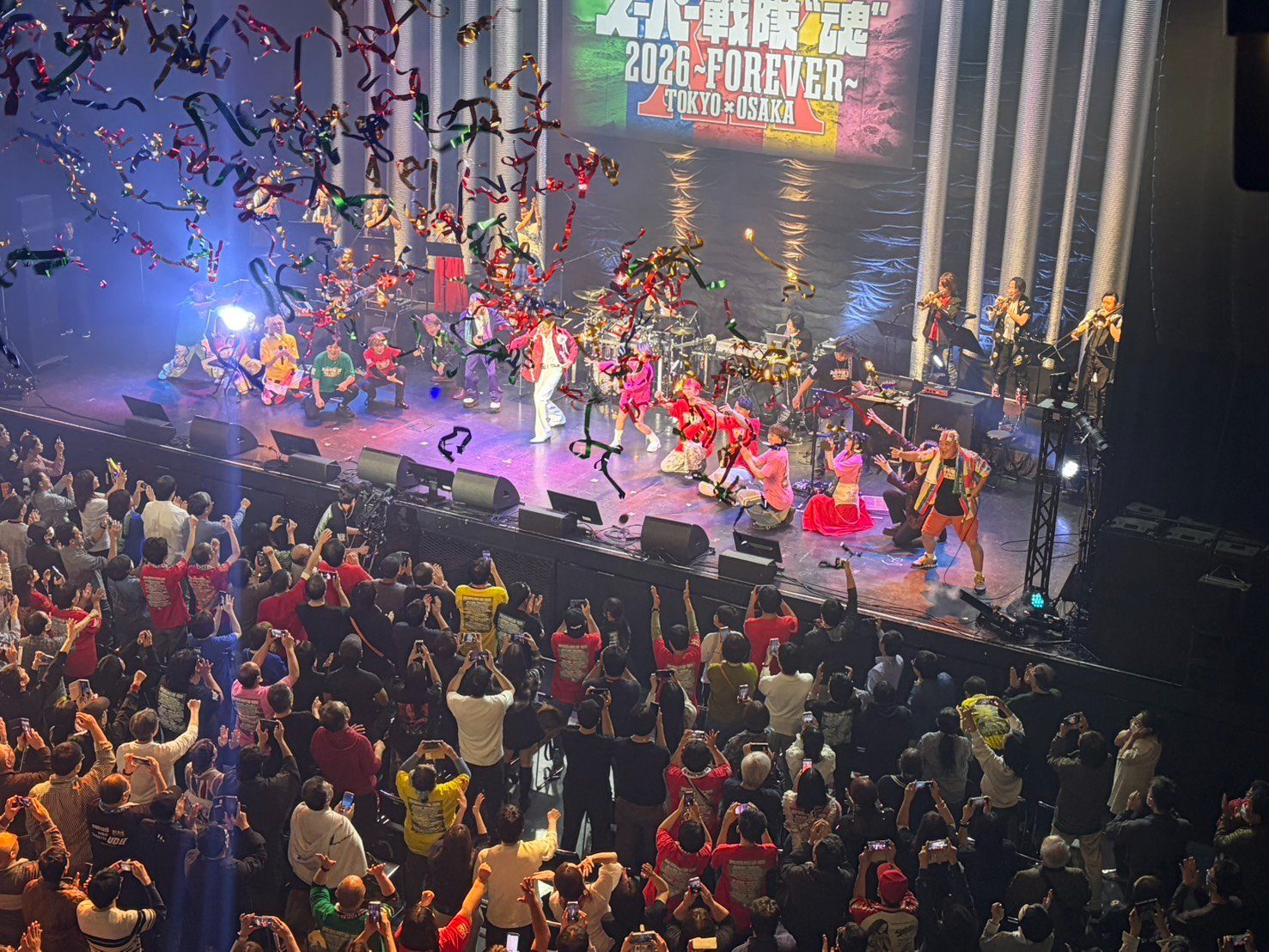
The encore was "Kokoro wa Tamago," the Jetman ending, sung by Kageyama with every artist on the bill. Before the song, Ohno gave the audience permission to photograph the stage with their phones, turning the finale into a shared keepsake of the 20th edition.
Isao Sasaki
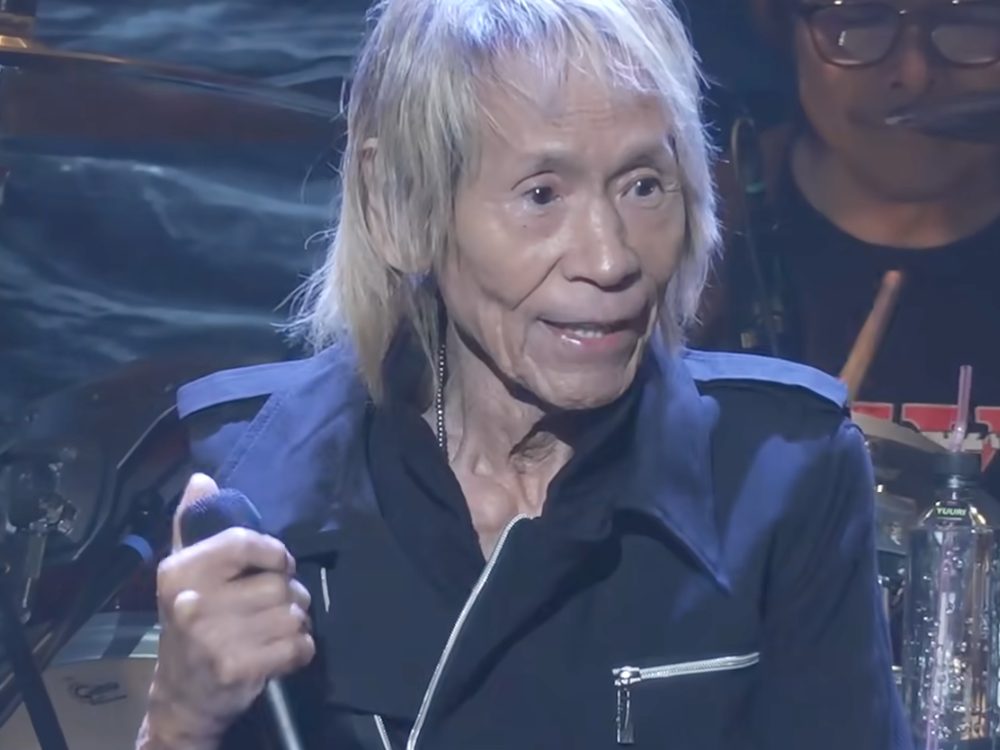
The second night, on November 8, opened with Isao Sasaki and Mitsuko Horie singing "Susume! Gorenger" together, the opening theme of the franchise's very first series. Shocker Ohno welcomed the two of them for the evening's first conversation, and the crowd cheered the reunion. Sasaki, the voice behind the themes of Uchuu Senkan Yamato and Himitsu Sentai Gorenger, once again joked that this might be one of his last appearances at the event. He said he had told Horie he might not be able to keep coming for many more years, and she shot right back that he says exactly the same thing every year, which got a big laugh.
Sasaki conceded that he does tend to repeat that prediction, and said that despite the setbacks he has managed to get past every problem that came up over the years and keep performing. He then explained that his wife had a direct hand in his preparations this year. Besides encouraging him to keep singing, she insisted he have a new stage outfit made. Sasaki was wearing it for the first time, a suit in a material resembling patent leather, known in Japan as enamel. It felt very strange to wear, he said, and he had to be careful how he moved, because he had not brought a spare in case it got damaged.
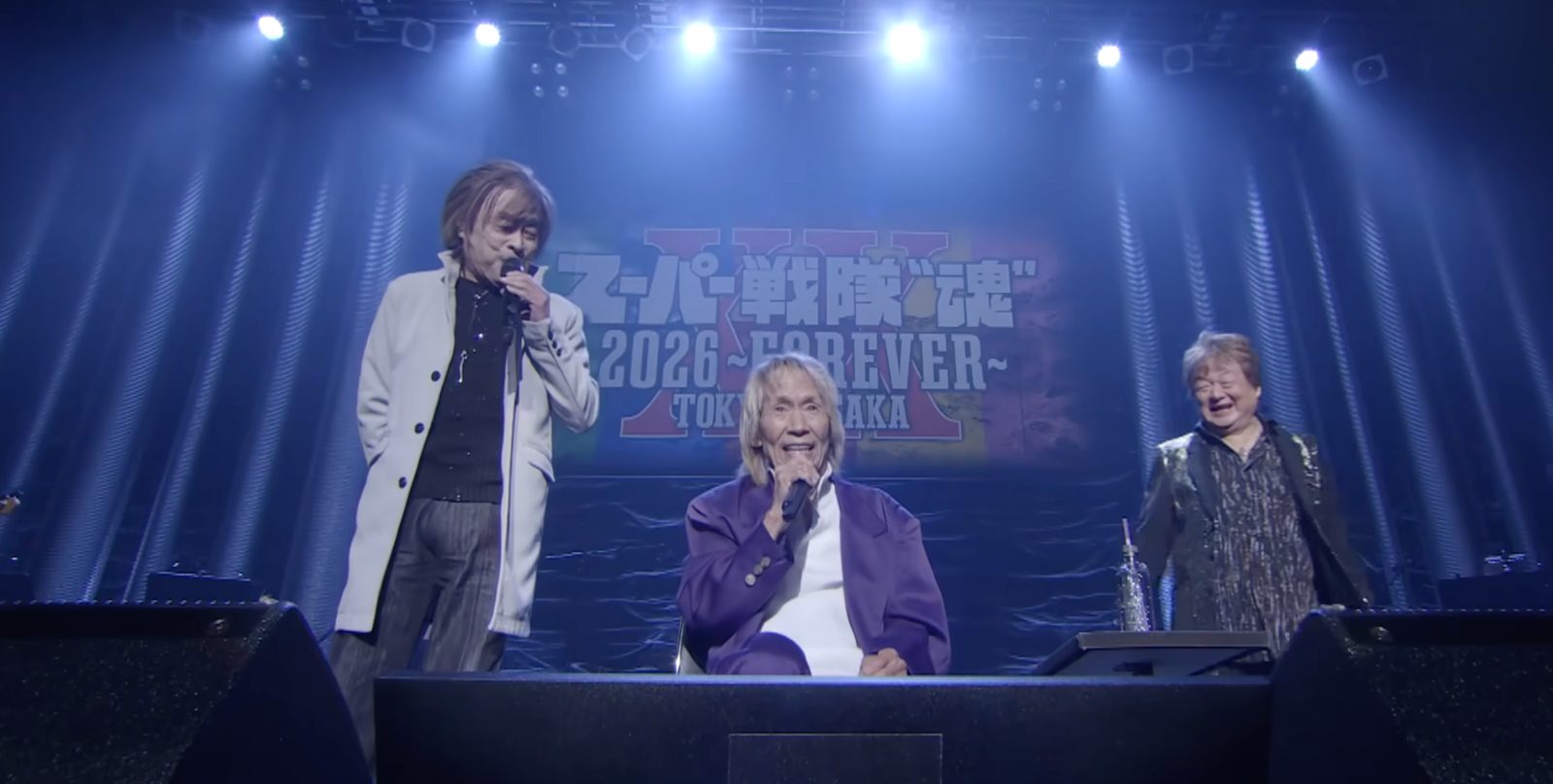
The mood shifted when Sasaki turned to his health. After a stretch in which he finally seemed to have recovered from earlier problems, he said, he received a new diagnosis this year. He recalled that in recent years a good part of his conversations with Akira Kushida had ended up being about illnesses and treatments. Both men had dealt with health problems and made it back to the stage. Just when he thought he could enjoy a quiet summer, Sasaki discovered a new problem that required a hospital stay.
According to his account, he was hospitalized during the Japanese summer, around the Obon holiday. The problem was treated with an endoscopic procedure, and he recovered well. In the part of the conversation that was transcribed, Sasaki did not name the illness, saying only that the treatment had resolved it. He used the episode to reflect on how aging changes your routine and demands ever closer attention to your health.
One of the hard things about this stage of life, Sasaki said, is that medical problems can appear out of nowhere, even when you think you are fine. He stressed the importance of staying active and said the conditioning built up over decades as a singer, especially the breath training singing requires, may have helped his recovery. He urged the audience to walk regularly and eat properly, noting that even simple activities get harder with age.
To show how much things have changed, Sasaki said he used to do about five laps of the park on his walks and now manages only two or three. When he walks his dog, he joked, it sometimes seems the dog is walking him. He said he keeps trying to stay active and admires older people who keep walking to look after their health. The conversation ran so long that Ohno joked the show had opened with a kind of Sasaki monologue, and the audience laughed again.
Mitsuko Horie
Ohno introduced Mitsuko Horie as the eternal idol of anime and tokusatsu fans, and the crowd threw itself into the call-and-response routines he always leads. Micchi, as fans call her, has one of the most important careers in Japanese music, with theme songs spanning several generations of TV series. Standing beside Sasaki, she gave the opening of the night a sense of history, two singers who helped shape the musical identity of a great many series and animated shows.
During the conversation, Horie showed concern for the audience. She noticed that many people had been on their feet since the start, reminded them that there were plenty of songs still to come and told them to rest whenever they needed to. Ohno replied that the fans in the room were pros, well used to long and intense shows. Horie played along and said she was delighted by the crowd's energy.
Exchanges like these are part of what Super Sentai Spirits is. Between songs, the singers chat with the audience, recall moments from their careers and tease one another, in a friendship built over decades and in an atmosphere far removed from TV appearances. Many of the artists on stage recorded some of the most important theme songs on Japanese television since the 1970s, and Sasaki and Horie are among those who started singing for anime and tokusatsu in that era and are still performing today.
JAKQ
The music began with the franchise's roots. Sasaki looked back at the move from Himitsu Sentai Gorenger (1975) to JAKQ Dengekitai (1977), both created by Shotaro Ishinomori. Before introducing the second show, he had some fun with the playing cards used by the JAKQ heroes. In Japanese, a deck of cards is called torampu, which sounds just like the surname of U.S. President Donald Trump, and the association set off a round of good-natured comments about the United States and its relationship with Japan, until Ohno cut the topic short and got the show back on track.
The early-years set continued with Battle Fever J (1979), sung by MoJo, and Taiyou Sentai Sun Vulcan (1981), sung by Akira Kushida, two series that hold an important place in the franchise's history. Ohno revealed that the band leader has a special fondness for the Sun Vulcan theme. The enthusiasm runs so high, he said, that during the song's signature passages even the people working backstage join in the fun and the choreography. Ohno mentioned the sound engineers, technicians and other crew members, and said the fun happens among the people who make the show work as much as in front of the stage.
At another point, Ohno wanted to know how many times the audience had been to Super Sentai Spirits. He first asked those attending for the second time to raise their hands, then those on their third visit and finally those who had seen four or more editions. The response pointed to a loyal crowd that follows these singers year after year and has made the show a personal tradition.
The theme of Choushinsei Flashman (1986), a series that aired in Brazil on Rede Manchete, was sung by four singers from more recent generations, Daiki Ise, Yohei Onishi, Tatsuhiko Yoshida and Hitomi Yoshida, who then each moved on to their own songs. Onishi sang the themes of Mashin Sentai Kiramager and Shuriken Sentai Ninninger, Ise sang a Ninninger ending and the Ressha Sentai ToQger theme, and the two Yoshidas, the voices of Kaitou Sentai Lupinranger VS Keisatsu Sentai Patranger (2018), closed the set before Sasaki returned with "Midnight Dekaranger."
Carranger
Naritaka Takayama was called up to represent Gekisou Sentai Carranger, which turned 30 in 2026. Ohno teased the singer about his energy, saying that since his debut at the event about five years earlier he had kept charging ahead at full speed, almost out of control, a nod to the show's car theme. Takayama sang the opening in its Full Accel version, talked about Carranger's anniversary and began telling a story about something that happened in Nagoya, though the transcript did not allow that part to be fully recovered.
The Carranger set also included "Gekisou Gattai!! RV Robo," the song for the series' robot, and "Tengoku Samba." The night's repertoire went well beyond TV openings, taking in songs written for the characters and machines of the original series.
Brazil
Ohno asked which parts of Japan people had come from, naming Hiroshima, Okayama, Kyushu and Hokkaido. He then asked whether anyone had traveled even farther, and that is when Brazil came up, with a special mention in front of the Japanese crowd. Ohno said that about 20 Brazilians were in the audience, part of a tour of Japan whose itinerary included Super Sentai Spirits.
The day before, according to Ohno, the group had taken part in an activity involving explosions and special effects before coming to the show. He called it an almost perfect trip for tokusatsu fans, combining a hands-on look at Japanese production techniques with the chance to see the singers who recorded the shows' songs.
The series celebrated at the event were made for Japanese audiences and went on to find fans in other countries. In Brazil, tokusatsu built a history of its own, shaped by TV broadcasts, by the fans who kept spreading the word and by a lasting curiosity about the people behind these productions. Ohno also reminded everyone that the show was being livestreamed, letting fans in other countries follow along from afar, and on that night Super Sentai Spirits brought together different generations and nationalities around the same songs.
Dairanger
The second half opened with the band Wienners, who played "WINNER! Gozyuger!", from the 2025 series No.1 Sentai Gozyuger, and "VIBES×VIBES." Before bringing out NewJack Takuro, the voice of the Gosei Sentai Dairanger theme (1993), Ohno recalled an incident about ten years earlier when a performer tore an Achilles tendon during a show. He told the story as a joke, with a pun on breaking through limits and breaking a tendon, and the crowd laughed.
Takuro came out complaining about how he had been introduced and joked about how long his on-stage chats run, suggesting his reputation for talking too much was already well known to the organizers. There was also an exchange about a guitar that had been given to one of the band's musicians to use in the shows. The banter showed how close the singers and the band members are, on a stage where improvisation keeps mixing with the script.
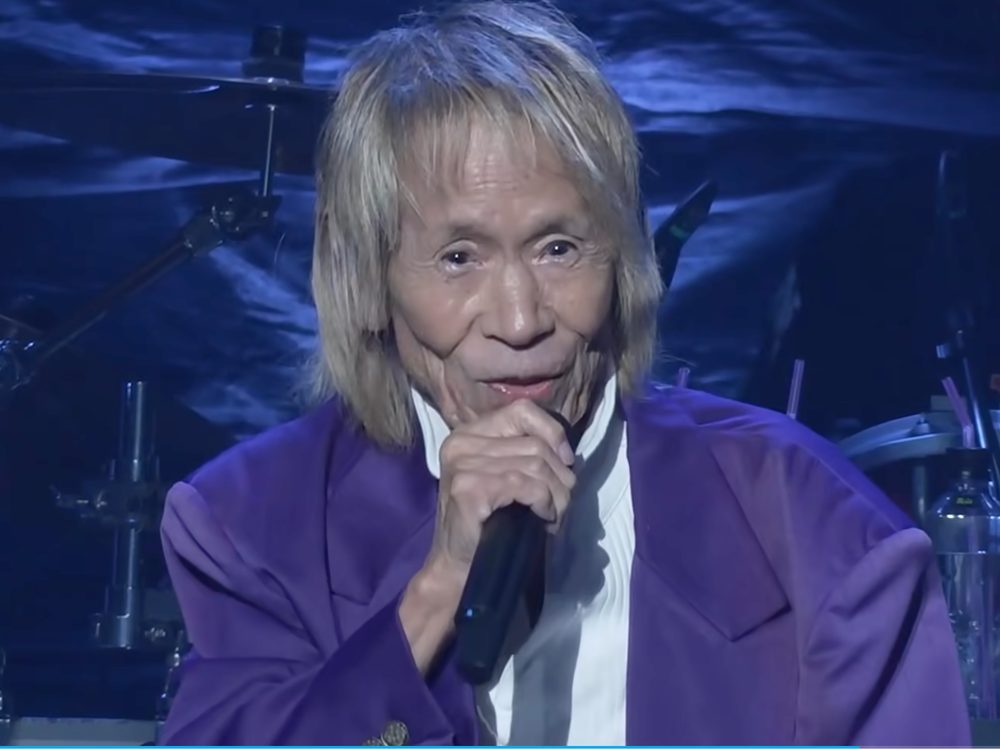
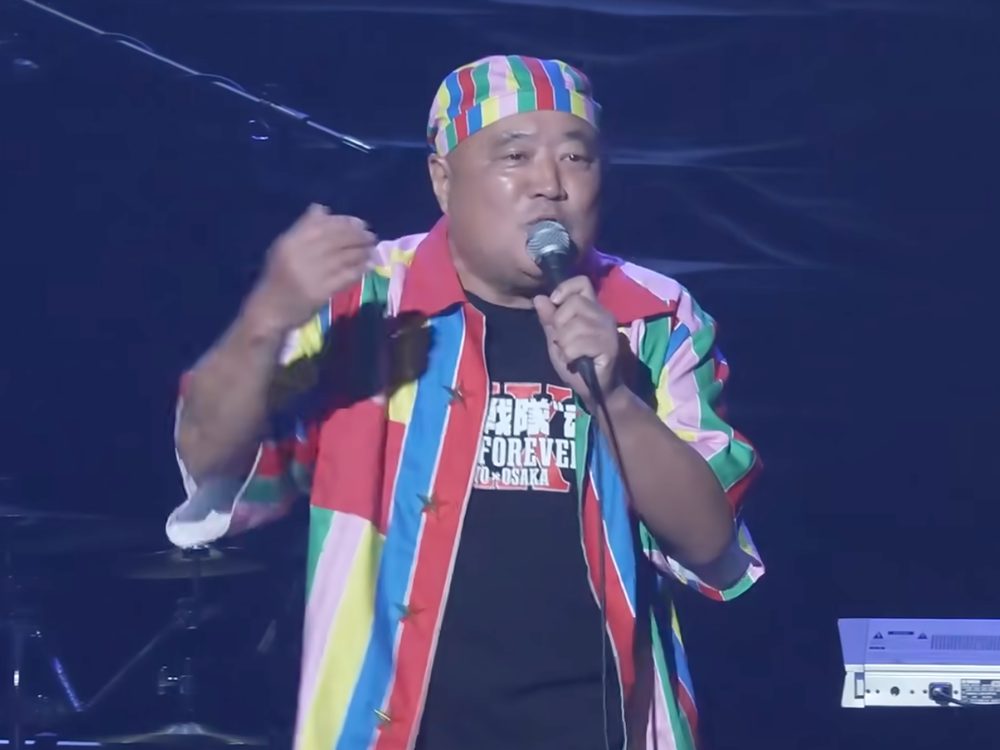
MoJo was introduced as one of the most energetic singers at the event. The voice of the Dai Sentai Goggle V opening (1982), he also sang the theme of Kagaku Sentai Dynaman (1983). With other veterans, Kushida among them, he joined a lively conversation about youth and aging in which the singers reminded each other that they had all been young once and traded jokes about the passing years. Takayuki Miyauchi sang the theme of Choudenshi Bioman (1984) and "Muteki Shogun, Tadaima Sanjou!"
Densetsu
Kushida spoke about the satisfaction of still singing songs that have become part of history and of seeing that the audience still knows and follows them. For him, there is something special about veteran singers being able to walk on stage and find a crowd that can sing along to songs released so many years ago.
The fans' involvement, Kushida said, is what keeps that history going. When people keep listening to and singing these songs, they help keep alive the story of the singers who first recorded them. His words were met with enthusiasm and ended on the word densetsu, Japanese for legend, which is also the title of the song he then sang with Miyauchi and MoJo, the trio known as Tamashii no San Kyoudai, the three brothers of Spirits.
Super Sentai Spirits keeps in circulation a body of songs that belongs to the memories of several generations. Each edition brings them to people who did not see these series when they first aired and got to know them through reruns, recordings, albums and the fan community itself.
Super Robot Spirits 2027
During one of the breaks, Ohno officially announced Super Robot Spirits 2027 Haru no Jin, the next edition of the concert series devoted to giant-robot anime songs that grew out of ROBONATION in 1997. It will run for two nights at Zepp DiverCity on April 24 and 25, 2027, with another show at Namba Hatch in Osaka on May 5. Ohno said the lineup will bring together a range of artists and series, reaching well beyond the songs tied to the Gundam franchise.
Announcing the dates five months ahead signaled the organizers' intent to keep these concerts going, now a fixture for fans of anime and tokusatsu music in Japan, and doubled as an invitation for the audience to come back for the next editions.
Gorenger
Horie sang "Hana no Momoranger," and the night closed with Gorenger. Sasaki and Horie performed "Gorenger Storm" and "Miyo!! Gorenger," then returned for the encore with the whole cast for "Himitsu Sentai Gorenger." The festival that, by Ohno's account, grew out of Sasaki's return to a Super Sentai theme ended its two Tokyo nights with a song sung by him.
Two nights
Over two nights, Super Sentai Spirits brought together singers who have devoted decades to tokusatsu music and still find the drive to perform for a loyal audience. Over the years their working relationship has turned into friendship, and it shows in the jokes, the memories and the conversations about their personal lives.
Sasaki's account of his health brought a frank conversation about aging, perseverance and looking after your body to the stage, told by the singer himself in front of the crowd. Horie's concern for the audience and Kushida's words about the fans showed the bond between stage and audience that remains at the heart of these shows. The Brazilian visitors showed how far these songs have traveled from Japan, and that decades after they first aired, Super Sentai series still lead fans to travel thousands of miles to see the singers who shaped their lives.
The artists grow older, face health problems and talk about the passing of time on stage, and the songs keep finding new listeners. Ohno had opened the first night by calling FOREVER a promise of continuity, and the 20th edition wrapped up in Tokyo with a crowd that sang along to all 61 songs across the two nights.